
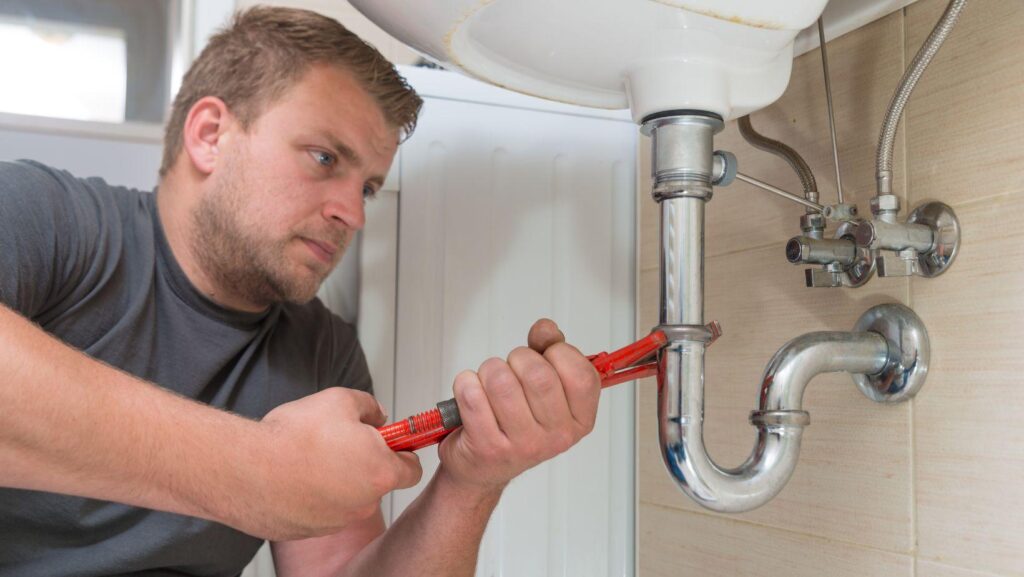
When a leaky faucet or a clogged drain disrupts your daily routine, the question arises: should you tackle the problem yourself or call in a professional Plumber? While the allure of saving money by handling the repair on your own is tempting, it’s essential to weigh the potential costs and benefits. This article will explore the financial implications of both DIY plumbing and hiring a professional Plumber, examining factors like initial expenses, long-term savings, and the complexity of the repairs. By understanding these elements, homeowners can make informed decisions that best suit their budget and needs.
DIY Plumbing: Cost-Effective Solutions for Homeowners
For homeowners with a knack for handiwork, DIY plumbing can be an appealing option. The primary advantage is the potential reduction in labor costs, which can be significant in certain scenarios. Simple tasks, such as fixing a dripping faucet or unclogging a minor blockage, often require basic tools and materials readily available at home. A reliable Home Inventory Software can help you keep track of the necessary tools, ensuring you have everything you need to tackle these straightforward repairs without a trip to the store. Moreover, if you require assistance, consulting a Plumber might be a wise choice.
Moreover, online tutorials and guides provide step-by-step instructions, making it easier for homeowners to execute minor repairs. However, it’s crucial to perform a Lead Paint Risk Assessment before starting any work, especially in older homes, to avoid health hazards. Despite these advantages, DIY plumbing does come with risks, including the potential for making the problem worse, which could lead to more expensive repairs down the line.
Professional Plumbing Services: When to Call an Expert
While DIY plumbing might suffice for minor issues, there are situations where hiring a professional Plumber becomes necessary. Complex problems, such as those involving HVAC Zoning Systems or major leaks, require the expertise of trained professionals to ensure that the repairs are done correctly and safely. Professional Plumbers have access to specialized tools and are knowledgeable about the latest Home Automation Hub technologies, which can prevent future issues and enhance your home’s efficiency.
Additionally, experts are well-versed in building codes and Energy Star Compliance regulations, which is critical for more extensive renovations or installations. For instance, if your water heater needs replacement, a professional will ensure it meets all safety standards, reducing the risk of accidents or inefficiencies. Utilizing professional services may seem costly upfront, but it often prevents more significant expenses caused by improper DIY repairs.
Comparing Costs: DIY vs Professional Plumbing Expenses
The financial comparison between DIY and professional plumbing involves more than just the immediate costs. For minor repairs, a DIY approach can indeed be cheaper, as it eliminates labor fees and allows for the use of existing household resources. However, when factoring in the potential for errors and subsequent repairs, the initial savings may diminish.
In contrast, hiring a professional Plumber might incur higher upfront costs due to labor and service fees. Yet, the expertise provided often translates into efficient and lasting solutions. For example, accurate Smart Thermostat Calibration by a professional can significantly enhance energy efficiency, leading to long-term savings on utility bills. According to recent data from Bob Vila, professional repairs can sometimes be more cost-effective over time, especially for complex issues.
Long-Term Savings: Evaluating Value Beyond Initial Costs
When assessing the financial impact of plumbing repairs, it’s essential to consider long-term savings alongside immediate costs. Properly executed repairs and installations by a professional can increase your home’s value and efficiency, providing returns that outweigh initial expenses. For instance, implementing a Radon Mitigation System or improving Indoor Air Quality Monitoring can enhance household safety and potentially increase property value.
Moreover, professional Plumbers can offer valuable advice on Eco-Friendly Pest Management and other sustainable practices that reduce long-term costs. By investing in quality repairs and improvements, homeowners can ensure their plumbing systems operate efficiently, preventing costly damages and repairs in the future. As a study by the U.S. Department of Energy highlights, energy-efficient upgrades often result in substantial savings over time.
Conclusion
Deciding between DIY and professional plumbing involves weighing initial costs against long-term value. While DIY repairs can be cost-effective for minor issues, professional services provide expertise and assurance for more complex problems. Ultimately, the decision should be guided by the nature of the repair and the homeowner’s confidence in their abilities. For those seeking reliable and efficient solutions, hiring a professional Plumber could be the more financially sound choice, ensuring quality repairs and long-term savings.