
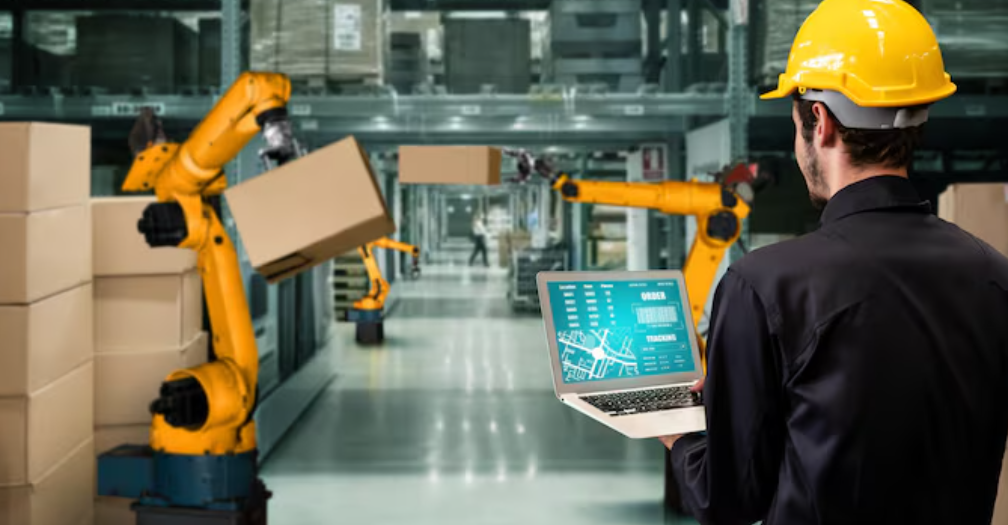
Complex manufacturing projects demand precision, coordination, and constant visibility. Whether a company operates in engineer-to-order, custom fabrication, industrial machinery, or multi-stage assembly, managing projects with multiple components and deadlines is never simple. Without structured systems in place, small delays can quickly escalate into cost overruns and missed delivery commitments.
Enterprise Resource Planning systems play a critical role in organizing and controlling these complexities. By connecting departments, processes, and data into one unified environment, ERP helps manufacturers manage projects more efficiently from initial quotation to final delivery.
Understanding The Nature Of Complex Manufacturing Projects
Unlike repetitive mass production, complex manufacturing projects often involve unique specifications, customized components, and evolving client requirements.
Each project may require coordination between engineering, procurement, production, quality control, and finance. Timelines can shift, material availability may change, and technical revisions can occur mid-process.
When information is scattered across spreadsheets, emails, and disconnected systems, project management becomes reactive instead of proactive. Teams struggle to track progress, monitor costs, and maintain alignment across departments.
Centralizing Project Data And Documentation
One of the biggest challenges in complex projects is managing documentation. Bills of materials, design revisions, routing instructions, supplier agreements, and cost estimates must remain accurate and accessible throughout the project lifecycle.
An integrated manufacturing software ERP platform centralizes all project-related data in one location. Engineering updates are reflected immediately in production plans. Procurement teams can see material requirements without relying on manual communication. Finance can monitor cost allocation in real time.
Improving Scheduling And Resource Coordination
Complex manufacturing projects often require careful coordination of machines, labor, and materials. Production schedules must account for multiple job stages, shared resources, and potential bottlenecks. Without integrated planning tools, delays in one stage can ripple through the entire project.
A manufacturing erp system aligns project timelines with available capacity. It connects work orders, labor allocation, and material readiness into a single scheduling structure. When changes occur, planners can adjust timelines dynamically and assess the impact immediately.
Enhancing Cost Control And Budget Tracking
Managing project costs is just as important as meeting deadlines. Complex manufacturing projects often involve fluctuating material prices, labor variations, and unforeseen changes. Without accurate tracking, budgets can quickly exceed expectations.
ERP systems connect operational data with financial reporting. Labor hours, material consumption, and overhead expenses are tracked as the project progresses. Managers can compare actual costs against estimates and identify discrepancies early.
This visibility supports better financial decision-making and allows manufacturers to maintain tighter control over margins. Instead of discovering cost overruns after project completion, leadership can intervene during execution.
Supporting Procurement And Supply Chain Coordination
Complex projects frequently depend on multiple suppliers and specialized components. Delays in material delivery can halt production and disrupt timelines.
ERP integrates procurement workflows directly with project requirements. When a project is initiated, the system identifies required materials and aligns purchasing activities accordingly. Real-time inventory tracking ensures that materials are available when needed, and supply chain updates are reflected in production planning.
The cloud erp solutions further strengthen this coordination by enabling multi-location visibility. Manufacturers operating across several facilities or working with distributed suppliers can maintain synchronized information, reducing the risk of misalignment.
Improving Collaboration Across Departments
Complex projects require close collaboration between engineering, production, procurement, and finance. ERP facilitates this collaboration by removing silos and promoting shared visibility.
When departments operate within a unified system, communication becomes more structured. Sales teams can track project milestones. Engineering can monitor production progress. Finance can access real-time budget data.
Enabling Risk Management And Change Control
In complex manufacturing environments, change is inevitable. Design revisions, scope adjustments, and unexpected production challenges must be handled carefully to avoid disruption.
ERP systems support change management by documenting revisions and tracking their impact on timelines and budgets. When modifications occur, affected departments receive updates automatically.
Building Scalability For Future Projects
As manufacturers grow and take on larger or more technically demanding projects, system flexibility becomes increasingly important. Disconnected tools that once worked for smaller operations may struggle under increased complexity.
ERP provides a scalable foundation for managing growth. By standardizing workflows and centralizing data, manufacturers can handle larger project volumes without sacrificing control. Cloud-based environments further enhance scalability by allowing secure access from multiple locations and supporting collaboration across expanding teams.

Final Thoughts
Complex manufacturing projects demand more than technical expertise and skilled labor. They require structured coordination, accurate cost tracking, reliable scheduling, and seamless communication across departments. ERP plays a central role in bringing these elements together. By centralizing data, aligning resources, and strengthening collaboration, ERP helps manufacturers manage complexity with greater confidence and efficiency. In a competitive and fast-changing manufacturing landscape, a well-implemented ERP system becomes a critical tool for delivering projects on time, within budget, and to the highest quality standards.