

Sometimes the problem is not laziness. Sometimes it is not stress. Sometimes it is not lack of skill. Sometimes the problem is the space you are sitting in.
People try to force work in rooms that make them tired. They sit in places that hold old feelings. They stay in the same spot and wonder why nothing moves. But mood is shaped by space more than most people think.
Changing your space can change your mood to work without effort.
Your Brain Reads the Room First
Before you start work, your brain checks your space. It looks at light. It notices noise. It feels air. It remembers past moments in that place.
If you always scroll on your bed, your brain thinks bed means rest. If you watch videos on your couch, your brain thinks couch means stop. When you try to work there, your brain resists. Not because it is weak, but because it learned a pattern.
This is why moving your body to a new spot can help fast. A chair near a window. A table in another room. Even a floor mat can reset the feeling.
People who take breaks with games or light activities, such as slotsgem games, often notice this shift. They move from one space to another and the mood changes. The work feels less heavy. The body feels ready.
Light Changes Everything
Light is one of the fastest mood shapers. Dark rooms make people slow. Bright rooms make people alert. Natural light helps the most, but any light change helps.
Opening curtains can wake the mind. Turning off harsh lights can calm it. Small changes tell the brain something new is happening. That is enough to begin.
Small Moves Break Big Blocks
You do not need a full new office. You do not need fancy furniture. You need movement.
Moving a chair changes posture. Changing posture changes breathing. Changing breathing changes mood. This happens without thought.
Even turning your desk to face a wall instead of a room can help focus. The brain likes clear borders. It works better when it knows where to look.
Sound Shapes Focus
Silence is not always best. Sometimes it is too loud in the mind. A soft sound can quiet thoughts.
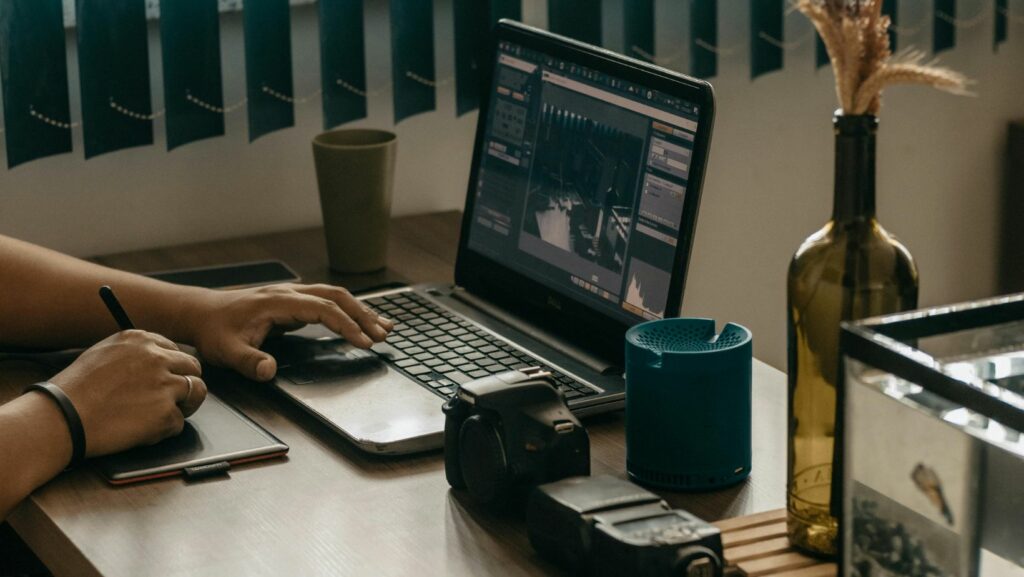
Some people play low music. Some play rain sounds. Some open a window to hear life outside. Sound makes space feel alive without distraction. When sound feels right, work feels lighter.
Objects Hold Energy
Objects carry meaning. Old papers can feel heavy. Empty cups can feel messy. Even a bad chair can hold stress.
Removing one object can change the whole mood. A clean table feels new. A fresh notebook feels open. A plant feels calm.
This is why people feel better after cleaning, even if they did not plan to work. The space sends a new message.
A New Space Can Reset a Bad Day
Some days feel heavy before work even starts. Thoughts feel slow. Energy feels low. On those days, staying in the same spot makes it worse.
Moving to a new space can break that feeling. Even a small change helps. Sitting on the floor. Standing near a window. Using a different chair. The body notices the change first, then the mind follows.
This reset does not fix everything, but it gives a fresh start. It tells the brain that the day is not stuck. It creates a small opening where work can begin again, without force.
Your Body Follows the Space
The body responds before the mind does. When space changes, the body relaxes or wakes up.
Sitting upright tells the brain it is time to act. Lying down tells it to stop. Standing for ten minutes can break mental fog. Many people think motivation comes first. It does not. Movement comes first. Space creates movement.
The Trick of Temporary Spaces
Some people work better in places that are not permanent. A kitchen table. A balcony. A quiet corner in a room.
Temporary spaces remove pressure. They feel light. You do not expect too much from them, so work starts easier. This is why cafes help some people. The space feels new every time.