
Planning a ski holiday is an exercise in trade-offs: travel time versus time on snow, convenience versus variety, and comfort versus adventure. The Alps and the Rockies are both exceptional, yet they deliver different everyday experiences once you arrive—how you move around, what a typical ski day feels like, and what you pay for along the way.
While you are sorting flights and packing lists, you might even find yourself, mid-sentence, opening super sic bo live casino in an airport lounge—still, your holiday will be shaped far more by snow, altitude, and resort layout than by any pre-trip distraction.
Geography and Resort Layout: Density vs. Space
The Alps concentrate a remarkable number of ski areas in a compact region across several countries. That density changes planning: you can often base in one village and access multiple mountains via lift links, short transfers, and local buses. Skiing can feel like a journey day—covering distance, stopping in different spots for lunch, and finishing somewhere new.
The Rockies are broader and more spread out. Resorts often sit in distinct basins or corridors, and moving between them typically means driving. In exchange, the terrain can feel expansive and uncrowded: broad views, big bowls, and a quieter sense of scale once you leave the base.
Access and Transport: Trains and Transfers vs. Winter Driving
In many Alpine regions, you can rely on airports plus rail and regional transit, reducing the need for a car. Walkable villages and frequent shuttles can make the trip feel seamless, especially for groups that prefer predictable logistics.
In the Rockies, a single-resort trip can be straightforward, but exploring multiple areas usually requires a rental car and comfort with winter roads. The benefit is flexibility—easy grocery runs and the option to chase the best forecast—but you pay in driving time.
Snow and Conditions: Dry Powder vs. Mixed Cycles
The Rockies are often associated with colder, drier snow. When temperatures stay low, surfaces preserve well, and tree skiing can remain enjoyable even when visibility is limited. Depending on the location, however, snowfall totals can be more variable across seasons.
The Alps have wider condition range: deep storms in some zones, wind-affected high ridges in others, and occasional warmer spells. Good planning helps—choose higher-elevation bases in midwinter, prioritize shaded aspects, and keep expectations flexible.
Altitude and Weather: What Your Body Notices
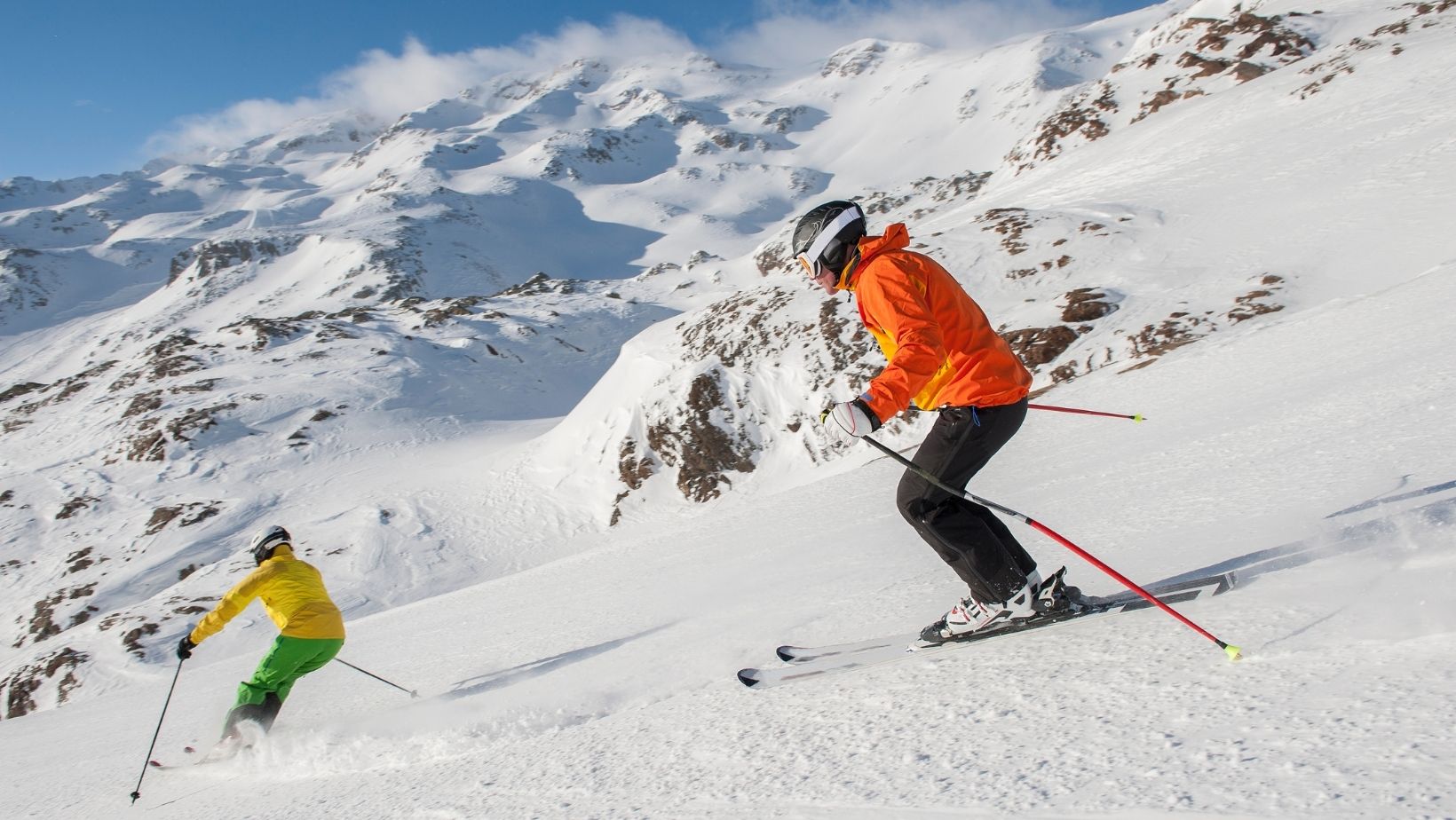
Alpine lift systems frequently reach very high elevations, which supports snow retention but can bring wind, strong sun, and thin-air fatigue. If you are sensitive, schedule an easier first day, hydrate, and avoid stacking a huge ski day with a late night.
Many Rocky Mountain resorts also sit high, and sea-level travelers may need a day or two to feel fully comfortable. The continental climate can swing quickly, so layered clothing and a conservative approach to extreme cold are practical, not optional.
Terrain and Skill Fit: Long Verticals vs. Bowls and Trees
In the Alps, long vertical descents and above-treeline skiing are common, and large interconnected areas can reward strong navigation. Intermediates often enjoy sustained cruising, while advanced skiers can find steep, technical lines (best approached with local guidance and disciplined decision-making).
In the Rockies, bowls and gladed trees are a defining feature in many places. Trees provide contrast on storm days, and resort trail networks can feel straightforward for mixed-ability groups. The overall experience often emphasizes repeated laps of quality terrain rather than long, point-to-point itineraries.
Culture and Off-Slope Life: Village Rhythm vs. Ski-Centric Evenings
In the Alps, many bases are genuine villages with a strong food culture, pedestrian streets, and appealing options for non-skiers. Lunch can be leisurely, and evenings may feel lively without requiring much planning.
In the Rockies, the default rhythm can be more ski-focused: early starts, efficient laps, and a practical recovery routine for the next day. Off-slope activities exist, but many trips naturally center on maximizing time on snow.
Cost and Value: Common Budget Pressure Points
In the Alps, self-catered lodging is common, and lift access can be competitively priced in many areas. Costs rise sharply in peak weeks, but there is often a workable mid-range if you book early and stay slightly outside the most central bases.
In the Rockies, day-ticket pricing and slope-side lodging can be expensive, especially during holidays. Savings usually come from planning ahead—securing multi-day access early and choosing lodging a short drive from the lifts.
Crowds, Lesson Culture, and Trip Timing
Crowd patterns differ in ways that matter on the ground. In the Alps, weekend surges and school-holiday weeks can be very busy, but the sheer number of nearby areas sometimes lets you escape by shifting valleys or starting earlier. Instruction culture is often deeply embedded, with group lessons that run like a well-oiled routine and clear progression pathways.
In the Rockies, holiday periods can also bring long lift lines, yet weekday skiing can feel wonderfully spacious. If lessons are a priority, reserve early—popular programs fill quickly—and consider midweek arrivals to reduce both queues and accommodation costs.
A Practical Way to Choose
Choose the Alps if you value variety across nearby mountains, prefer trains and walkable villages, and want a holiday that blends skiing with local culture. Choose the Rockies if you prioritize dry snow, tree skiing, and a focused ski rhythm with wide-open terrain. Either choice can be “perfect” when it matches your group’s priorities, your tolerance for logistics, and the season you plan to travel.